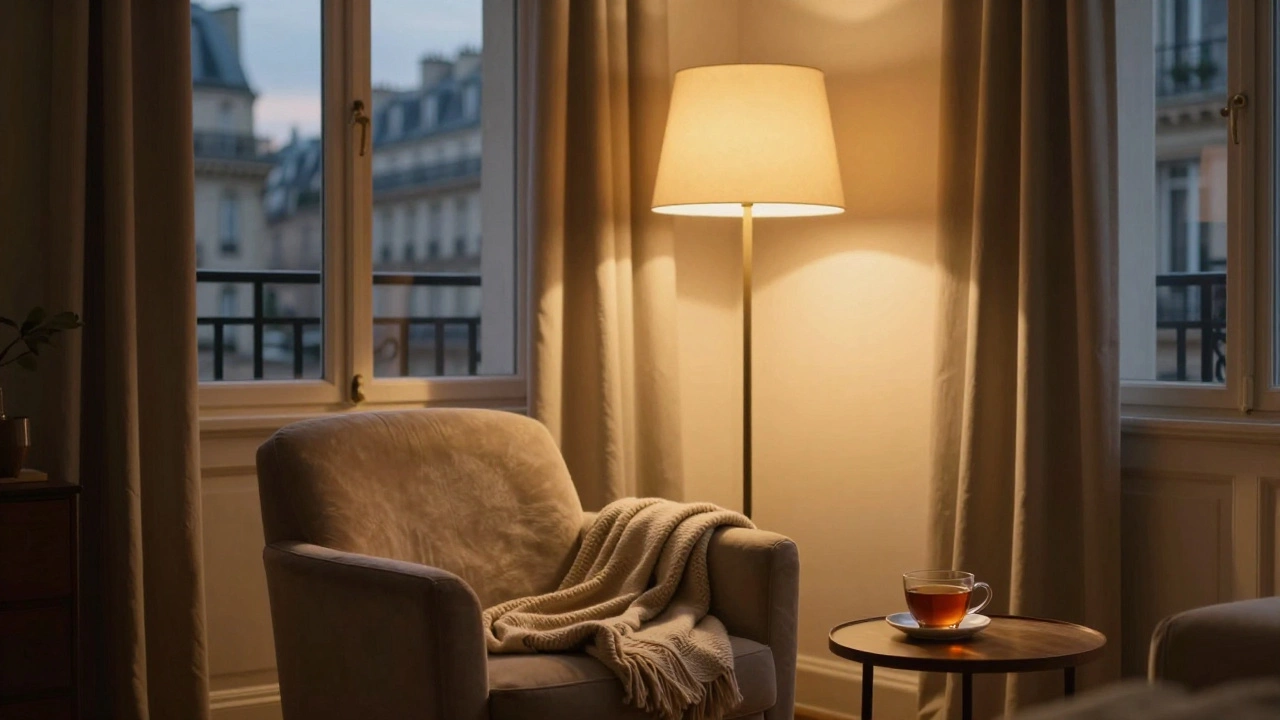
When people in France seek personal services that require trust and discretion, they’re not just looking for an arrangement-they’re looking for peace of mind. The statement, "Since our clients’ privacy is extremely valuable to them, we ensure that all of our sessions take place in a comfortable and undisturbed setting," isn’t marketing fluff. It’s the foundation of how these interactions work in practice. In a city like Paris, where anonymity can be hard to come by, the need for quiet, controlled environments isn’t optional-it’s essential.
Some clients turn to services like escortbparis not because they’re seeking something flashy, but because they want to reconnect with human connection without the noise of public judgment or digital exposure. These sessions aren’t about spectacle. They’re about presence. A quiet apartment in the 16th arrondissement, soft lighting, no interruptions, and full confidentiality-that’s the standard. And it’s why repeat clients return, not because of price or appearance, but because they feel safe.
What Privacy Really Means in This Context
Privacy here doesn’t mean hiding. It means choosing who sees you, when, and how. Many clients are professionals-doctors, entrepreneurs, artists-who live public lives. They don’t want their routines tracked, their faces in photos, or their names tied to a service. The best providers don’t just promise discretion-they build systems around it. No public profiles. No social media footprints. No shared contact details. Even booking is often done through encrypted channels or burner numbers.
One client, a software engineer from Lyon, told me he’d tried services before where his name was accidentally left in a calendar note. He never returned. That single mistake cost the provider a loyal customer-and their reputation. In this space, trust is built in small, consistent ways. A clean check-in process. No unnecessary questions. No pressure to share more than you want.
The Role of Environment in Client Experience
The setting isn’t just background. It’s part of the service. A hotel room with noisy AC, a dimly lit café with strangers nearby, or a space that smells like cleaning chemicals-all of these break the mood. The best providers know this. They choose locations based on acoustics, lighting, and flow. Some even rent short-term apartments specifically for this purpose, ensuring every detail-from the mattress firmness to the temperature control-is intentional.
It’s not about luxury. It’s about control. Can you relax? Can you speak without fear of being overheard? Can you leave without being seen by staff or neighbors? These aren’t trivial concerns. They’re the difference between a transaction and a meaningful experience.
Why “Comfort” Isn’t Just About the Room
Comfort extends beyond the physical space. It’s about emotional safety. Many clients come in feeling anxious, lonely, or emotionally drained. The provider’s demeanor matters just as much as the location. A calm tone. No forced small talk. No agenda beyond what the client expresses. Some providers even offer a quiet 10-minute buffer before the session begins-just time to breathe, sit, and settle.
One woman in her 40s, a therapist herself, said she booked sessions not to escape her life, but to remember what it felt like to be cared for without needing to perform. She didn’t want advice. She didn’t want romance. She wanted silence with presence. That’s the kind of need these services often meet.
How Misconceptions Hurt Real Needs
Media and pop culture paint these interactions as either sleazy or glamorous. Neither is accurate. Most clients aren’t wealthy playboys or desperate loners. They’re ordinary people with complex lives. A teacher from Toulouse. A nurse in Marseille. A retired professor in Bordeaux. They don’t want headlines. They want to be seen without being labeled.
When people dismiss these services as purely sexual, they miss the deeper layers: emotional respite, non-judgmental listening, and the rare chance to be fully present without obligations. The providers who succeed aren’t the ones with the most photos online-they’re the ones who listen more than they speak.
Legal and Cultural Context in France
France doesn’t criminalize the act of selling sex, but it does ban soliciting, pimping, and operating brothels. That means individual, private arrangements are legally gray but practically common. The key is avoiding public visibility. That’s why most services operate under the radar-not because they’re illegal, but because they’re designed to stay out of the spotlight.
Paris, in particular, has a long history of discreet personal services dating back to the 19th century. The culture here has always tolerated privacy in intimate matters, as long as it’s not disruptive. That’s why you won’t see ads on billboards. You’ll hear about services through word of mouth, trusted referrals, or encrypted platforms.
Some clients search for es orte paris because they’ve heard the term in passing, not knowing it’s a misspelling. Others stumble upon escort paeis after typing quickly on mobile. These aren’t just SEO quirks-they’re real search patterns from people trying to find help without drawing attention.

What Happens When Privacy Fails
There are horror stories. A photo leaked. A name exposed. A client recognized by a colleague. These incidents don’t just ruin trust-they can end careers or relationships. That’s why the most reliable providers invest in digital hygiene: no geotags, no reusable usernames, no shared devices. They even advise clients to use private browsing modes and avoid mentioning the service on work phones.
One provider I spoke with uses a simple rule: if a client asks for a receipt, they don’t book them. Not because they’re hiding something, but because receipts leave trails. Cash is preferred. No invoices. No emails with subject lines like “Confirmation: Your Session.”
Choosing the Right Service-What to Look For
If you’re considering this path, here’s what actually matters:
- Can you communicate without revealing your full name or location?
- Do they ask for personal details beyond what’s necessary?
- Is the meeting location private, quiet, and easy to enter/exit without being noticed?
- Do they respect boundaries without pushing for more?
- Is there a clear, calm process for ending the session?
Red flags? Requests for photos, social media follows, or demands for future bookings. Real providers don’t chase clients. They earn them.
Final Thoughts: It’s Not About the Service-It’s About the Space
What these clients are really asking for is a space where they don’t have to explain themselves. Where they can be tired, vulnerable, or simply quiet without being judged. The physical setting matters. The emotional setting matters more. And the promise of privacy? That’s the only guarantee that makes it all possible.
Some will call this transactional. Others will call it healing. The truth? It’s both. And in a world that’s louder than ever, that kind of quiet matters more than we admit.
For those who still search for escortbparis, the answer isn’t in the name-it’s in the silence that follows.
Is it legal to hire an escort in France?
Yes, selling sexual services is not illegal in France, but buying them is regulated. Soliciting in public, operating brothels, or pimping are criminal offenses. Private, consensual arrangements between adults are not prosecuted, as long as they remain discreet and do not involve coercion or public disruption.
How do I know if a service is trustworthy?
Look for clear communication, no pressure, and respect for boundaries. Reputable providers don’t ask for personal photos, social media links, or payment via traceable methods. They use encrypted messaging, cash payments, and private locations. If they push for repeat bookings or try to control your experience, walk away.
Do these services only cater to men?
No. While media often focuses on male clients, many women and non-binary individuals use these services for companionship, emotional support, or simply to feel seen without judgment. The need for privacy and comfort is universal.
Are these services expensive?
Prices vary widely based on location, duration, and provider experience. In Paris, sessions typically range from €150 to €400. But cost isn’t the main factor-trust, discretion, and comfort are. Many clients pay more to avoid risk, not for luxury.
Can I find these services online safely?
Yes, but avoid public forums, social media, or sites with photos and reviews. Trusted networks use encrypted apps, private message boards, or word-of-mouth referrals. If a service has a flashy website or Google ads, it’s likely not discreet. Real providers don’t advertise-they earn referrals.